Most of the frozen Russian assets are located in Belgium, in the Euroclear depository, according to DW.
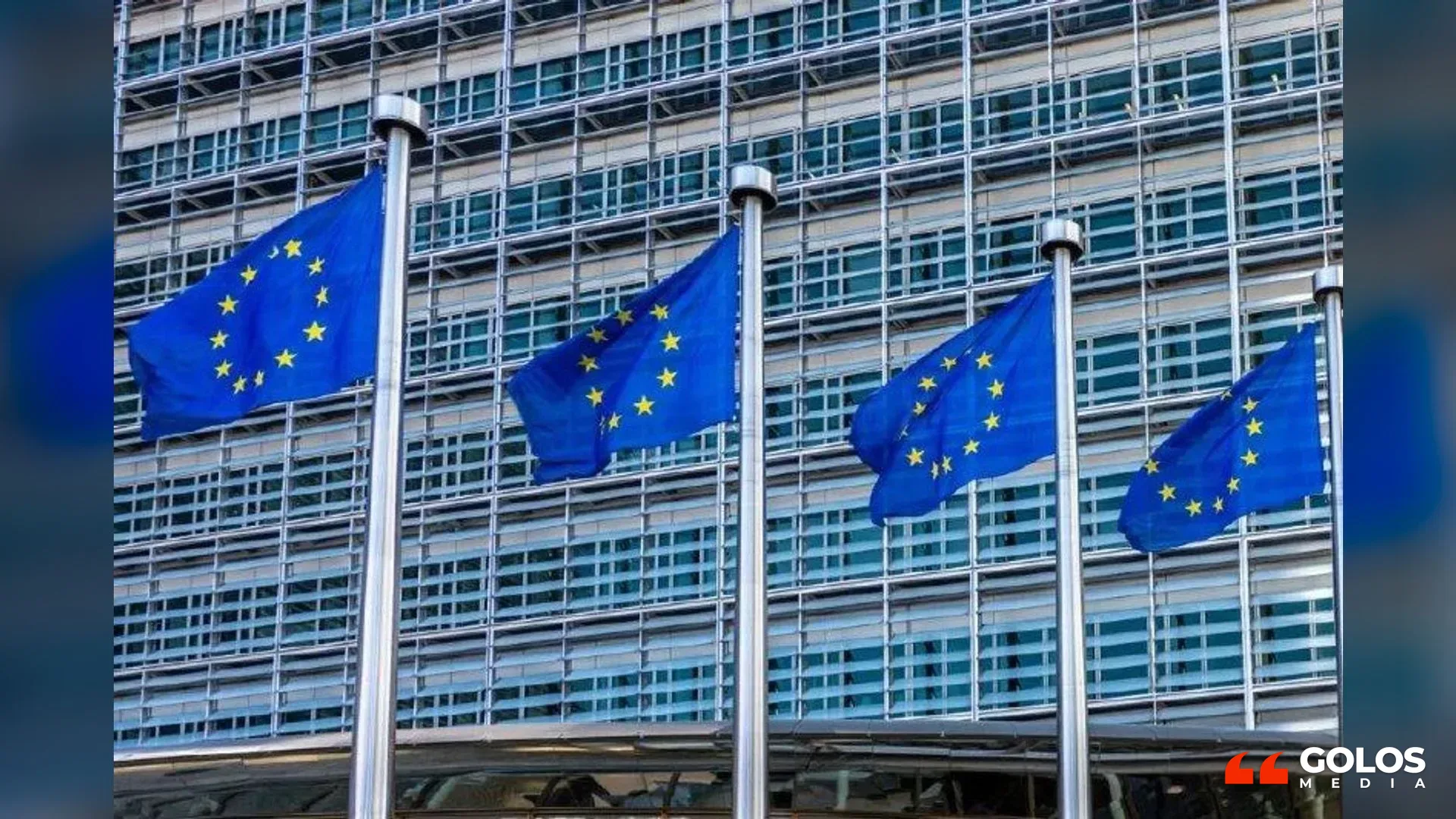
German Foreign Minister Johann Wadephul stated that the issue of using frozen Russian assets to support Ukraine has been "finally resolved," ruling out a return to the idea, DW reports. However, European Commission spokesperson Balazs Ujvari noted that the European Council is asking EU lawmakers to continue working on the reparations loan proposal. This means that Brussels' position does not coincide with the German Foreign Minister's wording, DW writes.
The European Council's conclusions of December 18 state that it "calls on the Council of the EU and the European Parliament to continue work on the technical and legal aspects of instruments providing for a reparations loan based on funds linked to frozen Russian assets," according to DW. European Commission President Ursula von der Leyen emphasized in Kyiv that the 90 billion euro loan had been agreed upon by all 27 EU leaders.
Belgian Foreign Minister Maxime Prevot stated that Belgium could consider confiscating frozen Russian assets for Ukraine. This is possible provided that all possible risks are jointly shared by EU countries, Eurointegration.com.ua reports.